
cropper
update
SURF CITY THRIVE
update

Huntington Beach News, Local Life & Business

  • Home
  • Categories
    • Local Events
    • Business Spotlight
    • Outdoor Adventures
    • Real Estate
    • Home Living
    • Community News
    • Sports & Fitness
    • Nightlife
    • Volunteer Opportunities
    • Dining Guide
    • Beach Culture
    • Surf Scene
    • Pet-Friendly
  • Featured Business Profiles
October 07.2026
5 Minutes Read

Transform Your Surfing Skills: Walking and Hiking Can Help

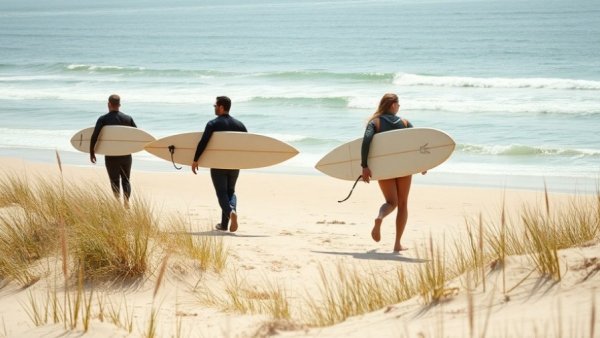
Surfers walking towards ocean, highlighting walking and hiking benefits for surfers.

Unlocking Your Surf Potential: The Power of Walking and Hiking

For surfers aiming to enhance their performance, the equation may seem straightforward: more time on the waves equals better skills. But what if we told you that one of the simplest and most accessible forms of exercise—walking—could be a game-changer in your surfing journey? Regular walking and hiking can boost your cardiovascular fitness, leg endurance, balance, and coordination, crucial components of an exceptional surfing experience. This article delves into how these activities can significantly impact your surfing prowess.

Building Your Core Strength for Better Surfing

Surfing often appears to be an exercise in sheer upper-body power, with paddling dominating our thoughts. However, a surfer’s lower body plays an equally critical role once you pop up on your board. The strength and endurance of your legs determine how well you navigate the waves and maintain control.

Researchers note that climbing during hikes engages all the muscles in your legs—quadriceps, calves, and glutes—helping build the sustained muscle fatigue resistance necessary for those lengthy surf sessions where control is paramount. Moreover, the eccentric muscle action required when descending a hill translates directly to enhanced control and stability on the board. Hiking offers a unique way to cultivate this strength without the risk associated with explosive movements on a board.

The importance of leg strength cannot be overstated; it not only supports your paddling but also aids in your ability to perform complex maneuvers while surfing. Regular hiking builds muscle that contributes to your overall well-being and increases agility. Surfers who implement this dynamic training into their routines often report significant improvements in their handling of the board, particularly in rapidly changing ocean conditions.

Enhancing Balance Through Uneven Terrain

Imagine gliding smoothly over the waves on your board. That fluidity relies heavily on your ability to balance. This isn’t just a practice of standing still; it requires constant readjustments based on your environment. Walking or hiking on uneven trails mimics this need, training your body to make micro-adjustments and engage your proprioceptive abilities—essential for reacting to the unstable platform of a surfboard.

Studies show that when you navigate rocky or irregular terrain, your brain receives constant feedback, refining its ability to correct your movements proactively. Movement over uneven ground engages your core and stabilizing muscles in the legs, ultimately translating back to improved stability on your surfboard. Hit those trails to get your balance game on par.

The benefits of balance training through hiking are multi-faceted. According to experts, inclusion of exercises that push your balance limits can help prevent injuries and reduce overall fatigue during those long surf sessions. Every hike you take prepares you not only for better surfing but for a safer practice of the sport.

Boosting Endurance for Longer Sessions

Many surfers know the feeling: starting a session full of vigor only to find yourself out of breath and struggling to maintain technique as fatigue sets in. Here’s where walking and hiking come into play. Although they don’t directly teach surfing techniques like cutbacks or turns, these activities significantly enhance your muscular endurance.

Long hikes condition your body to handle prolonged physical exertion, making you more adept at staying in shape throughout an entire surfing session. With improved endurance, you can paddle out longer, recover faster between sets, and ultimately enhance your performance in the water. The ability to paddle hard for longer periods without experiencing fatigue can be the difference between scoring that perfect wave and heading back to shore exhausted.

To optimize the benefits of hiking for surfing, consider integrating interval training into your walks or hikes. Find a route with varied elevation and sprint up the hills; this mimics the burst of energy required when catching waves. Using this method can not only increase your aerobic capacity but also prepare your body to make those quick movements necessary during intensive surf sessions.

The Psychological Edge of Being Outside

It’s not just the physical benefits that make walking and hiking advantageous for surfers. Engaging with nature during these exercises can also provide significant mental boosts. Exposure to the outdoors has been shown to reduce stress and improve your overall outlook, fostering a mindset conducive to better performance in the water.

Surfers are well aware of the natural connection felt on the waves. This connection can be enhanced by being mindful of your surroundings during hiking or walking. Bringing that mindfulness to your walking or hiking can help cultivate a zen-like focus, beneficial for the next time you’re battling the waves or gearing up for competition.

Mental clarity gained from spending time in nature can often translate into improved decision-making while surfing. A calm mind can lead to confident choices as you navigate not just the surf but also the ever-changing conditions. So, the next time you lace up your shoes and step outside, remember you’re not just training your muscles; you’re sharpening your mental edge.

Taking Action: Get Outside!

The next time you’re looking to up your surf game, consider strapping on your hiking boots. Daily walks can easily integrate into your routine with little disruption, making them an ideal complement to your surf sessions. Challenge yourself by exploring local trails, focusing on routes that will push you both uphill and along varied terrain. Don't forget to track your progress to see improvements over time!

Joining local walking or hiking groups can also forge social connections with other surfers who share your interests. This camaraderie offers motivation and accountability, turning solitary walks into an engaging social experience, making it easier to stick to your fitness goals. Surfing is not just about the sport; it's about community as well.

Conclusion: Elevate Your Surfing with Simple Habits

By incorporating regular walking and hiking into your lifestyle, you cultivate essential traits that make you a better surfer. The cross-training benefits don’t just stay grounded—they elevate your surf experience, enhancing both skills and enjoyment. So, lace up those shoes, embrace the outdoors, and turn those strolls into a strategy for surf success!

Remember, every step taken off the water complements the hours spent on it, creating a well-rounded surfer capable of tackling any wave that comes their way. It's time to hit the trails and feel the difference!

Surf Scene

0 Comments

Write A Comment

*
*
Please complete the captcha to submit your comment.
Related Posts All Posts
10.15.2026

Discover the Ultimate Cold Water Surfing Companion: 6/5 mm Wetsuits

Update The Essential Guide to 6/5 mm Wetsuits: Your Key to Cold Water Surfing If you're serious about surfing in frigid waters, a 6/5 mm wetsuit is more than just gear; it’s your lifeline. Designed specifically for extreme cold, these suits can make the difference between enjoying a chilly surf session and having to cut it short due to icy shock. Imagine plunging into water temperatures hovering around freezing with sub-zero air temperatures over your head—this is where a 6/5 mm wetsuit truly shines. What Makes a 6/5 mm Wetsuit Unique? The thickness of the wetsuit is just the tip of the iceberg. A 6/5 mm wetsuit isn’t just about how thick the neoprene is; it’s a synergy of fit, construction, and weather conditions. While thickness provides necessary insulation, it can also introduce challenges in maneuverability. Surfers might find padded suits restrictive when trying to paddle efficiently for waves. Thus, manufacturers are faced with an engineering dilemma; they must balance warmth with freedom of movement. This is particularly important for surfers who rely on agility to catch elusive winter waves. Notably, the seals and seams of these suits also play a crucial role in thermal protection. Flatlock seams offer durability but can allow water in, while blind-stitched seams reduce water entry at the cost of initial creasing. The choice becomes a critical factor depending on the surfer's location and expected water conditions. Additionally, features like sealed cuffs and internal thermal linings can further enhance a wetsuit’s efficacy in extreme weather, and picking the right combination can significantly impact a surfer's overall experience. Where are 6/5 mm Wetsuits Most Commonly Worn? Regions that flirt with winter water temperatures nearing freezing are prime locations for 6/5 mm wetsuits. Think about the cold surf breaks of Alaska, Canada, Iceland, or the rough waters of the Great Lakes. These aren't just surfing spots; they often present survival challenges. Wearing the right gear isn’t merely a suggestion; it's typically a necessity for comfort and safety in such harsh conditions. A Closer Look: Cold Water Surfing Locations Winter surfing in areas like northern Norway or Iceland epitomizes this challenge. Here, water temperatures create an environment where the body can lose heat rapidly. Surfers might only have a few minutes before they risk hypothermia in these frigid waters. The surf culture in these nations leans heavily towards thick, hooded suits. Without them, enthusiasts would miss out on the beauty and thrill of winter waves, which can be both exhilarating and perilous. In Canada, surfers face a mixed bag of weather; the west coast’s British Columbia is a candy land of thick wetsuits complemented by hoods, boots, and gloves. Meanwhile, surfers in places like Tofino might opt for less thickness due to warmer thermal linings or accessories—because the water doesn’t always shout "6/5" but conditions can turn quickly. It's essential for surfers to fully understand local weather patterns and water temperatures, which can fluctuate dramatically. Contrasting this is the Great Lakes surf scene, where winter winds generate waves that rival coastal surf but demand just as much protective gear. Surfers here often contend with the additional hazard of ice forming along the shores, making thermoregulation vital in their gear choices. Some Great Lakes surfers have even reported wearing balaclavas and specialized gloves to combat the biting cold, ensuring they enjoy their winter sessions while minimizing the risk of frostbite. The Technology Behind Cold-Water Wetsuits As surfing technology evolves, so too do 6/5 mm wetsuits. New materials offer better insulation without unnecessary bulk, enhancing the delicate balance of warmth and performance. Companies are harnessing advancements in neoprene technology, allowing surfers to be lighter and more agile without sacrificing warmth. This shift is a godsend for athletes competing in cold-water conditions, as the ability to move efficiently can directly impact performance and enjoyment. Innovative features like thermal linings and varying neoprene grades also contribute significantly to the suit's functionality. For instance, some suits come equipped with sophisticated technologies that not only keep surfers warm but also actively wick moisture away from the body, preventing the chill of dampness during long sessions. As material technology continues to advance, experiences in cold water surfing will only improve, pushing more surfers to explore the extreme conditions. Surf Safety: A Top Priority When braving the cold, the right gear equates to safety. Hypothermia can set in quickly with prolonged exposure to cold water, altering your body’s response and diminishing your surfing abilities. Furthermore, factors such as wind chill and sustained water contact amplify these effects. Knowing when to wear a 6/5 mm wetsuit can be the difference between enjoyment and danger. For experienced surfers, education around surf safety—such as monitoring body temperature, recognizing fatigue, and even having a reliable buddy system—must be prioritized, especially in harsh conditions. The risk of hypothermia is real, but being well-informed and prepared with the right wetsuit can significantly diminish those risks. Wetsuit Maintenance and Best Practices Understanding your wetsuit extends beyond just wearing it—it’s about caring for it too. Rinse your suit in fresh water after each use to keep it free of salt residue and contaminants. Hang it to dry inside out, ensuring no water gets trapped, which could foster mold growth and degrade the materials. Regularly inspect seams for wear and tear, as well as for the elasticity of the neoprene. Proper upkeep of a wetsuit not only ensures its optimal performance but also extends its lifespan, granting surfers a reliable companion for many winters to come. Conclusion: The Call of the Cold Choosing the right wetsuit isn’t a one-size-fits-all case; it requires knowledge about personal limits, environmental conditions, and the specific requirements of your local surf scene. A 6/5 mm wetsuit brings surfers closer to the vibrant life of cold-water surfing, allowing them to embrace it with confidence and enthusiasm. So gear up, head out, and celebrate the exhilarating ride of winter waves! Remember, each session in the ice-cold water is a thrilling adventure waiting to be tackled, and your wetsuit is the key to unlocking that experience!

10.15.2026

Why Surfers Develop Benign Chest Growths: Understanding Liposurfomas

Update The Uncommon Reality of Surfer's Benign Chest Growths Imagine it’s a sunny day at your favorite surf break. You’re out there paddling, catching waves, and enjoying the ocean. But there’s something unusual that long-time surfers might experience, a peculiar condition that can lead to benign growths on their chests—almost like developing an extra pair of breasts. This phenomenon goes beyond mere appearance and raises questions about the impacts of the sport on our bodies. What causes these curious lumps, and why do only certain surfers seem to develop them? The Science Behind Liposurfomas The condition in question is largely due to repeated physical stress. The growths, known as liposurfomas—a type of fibrolipoma—are a manifestation of chronic low-intensity trauma caused by prone paddling on a surfboard. As surfers repeatedly press their rib cages against the board, microtraumas occur in the underlying tissue over time. Researchers in 2024 analyzed this phenomenon, suggesting that the body reacts to this placed pressure by creating fibrous tissue and fat deposits in a bid to 'repair' the repeated trauma. In essence, the more you surf, the more likely these growths will appear. How Frequent Surfing Affects Growths Interestingly, the presence and size of these tumors reflect surfing habits. Surfers typically notice their growths enlarging with increased surf activity and diminishing when they take prolonged breaks from the waves. This cyclical behavior serves as a clue that these growths are related to surfing, rather than stemming from unrelated health issues. In some cases, surfers may even experience increased pain or tenderness during periods of intense surfing, providing further evidence that the activity is linked to the development of liposurfomas. Real-Life Cases: What Patients Reveal In a notable 2024 study, seven surfers were reported with bilateral chest wall fibrolipomas. The stories from these individuals underline the reality of living with these benign growths. Take the case of a 55-year-old surfer who had two sizable growths, each approximately 10 by 12 centimeters. While the individual did experience tenderness during surf sessions, he found relief after taking a break from surfing, underscoring the mechanical nature of the condition. Another surfer shared that the psychological aspect of dealing with the growths was just as impactful as the physical discomfort, affecting his self-image every time he paddled out. Counterarguments: Exploring the Myths Some might dismiss these growths as mere cosmetic anomalies, but there’s a deeper conversation to be had. Many surfers opt to surgically remove these growths to reclaim their bodies' aesthetics. However, the reality is that these growths are benign, and treating them does not guarantee they will not return—especially if the surfer continues to paddle. The condition opens up discussions on body image within the surfing community, sparking debates about personal health versus appearance. Are surfers too focused on aesthetics, or should the emphasis be shifted towards understanding and adapting to the body's responses to the sport? Practical Insights for Surfers: What You Can Do If you count yourself among the wave-riding enthusiasts, there are proactive steps you can take. First, consider adjusting your paddling technique to reduce pressure on your chest. This could involve altering your body position on the board or even trying different board sizes if you are in the market for new equipment. Additionally, integrating recovery days into your surfing schedule allows your body to rest and recuperate, potentially staving off excessive growth. Regular check-ups with a healthcare provider can help monitor any changes and aid in making informed decisions. For instance, if you're experiencing discomfort while paddling, consulting a physical therapist experienced with surf-related injuries could provide you with effective strategies to mitigate the risk of growths. Community Support: Sharing Your Experiences As surfers, we often ride the waves together and share our experiences both in and out of the water. Engaging in open conversations about benign chest growths can foster a supportive environment in the surfing community. Platforms like surf clubs and online forums can be valuable places to discuss not just health concerns, but also share stories and outcomes from treating or managing these growths. Bringing awareness to this issue helps to demystify the condition and could potentially guide others who find themselves in similar situations. Conclusion: Embracing the Surfing Experience Surfers embody a unique culture intertwined with passion, adventure, and even challenges like benign chest growths. Understanding and acknowledging these physical realities can guide surfers in maintaining their love for the sport while looking after their bodies. As the conversation grows around surf health and safety, it’s crucial to stay informed and prioritize self-care, which allows us to continue enjoying the surf safely as we ride the waves. This awareness can empower surfers to make mindful choices and embrace their journeys, both in their surfing career and their personal health journeys. Remember, the sea is ours to explore, but our health is our most important ride.

10.14.2026

Excitement Builds as Illume Awards 2026 Finalists Showcase Surf Culture

Update The Illume Awards 2026: A Celebration of Surf Culture and Photography The Illume Awards have long stood as a beacon in the surfing world, celebrating the stunning intersection of surfing and photography. As we eagerly await the announcement of this year’s winners on November 4, 2026, the spotlight is on the twenty finalists whose images capture the essence of the waves and the exhilarating culture surrounding them. This year, more than ever, the awards showcase the unique talents of photographers from across the globe, each telling a distinct story through their lenses. Highlights from the Finalists: Stunning Images That Tell a Story Among the standout finalists, Todd Glaser’s breathtaking shot of Kelly Slater at Cloudbreak, Fiji, perfectly encapsulates the magic of surfing photography. Captured underwater, the image plays with clarity and movement, highlighting Slater's skillful maneuvering while utilizing innovative technology in photography. Glaser expresses his love for capturing collaborative moments with surfers, emphasizing the bond and creativity that shape these images. His work exemplifies how the best surf photography not only showcases sport but builds narratives that speak to the soul of the ocean. Equally captivating is Pablo Jiménez’s dynamic capture of longboarder Matt Newdick at El Sunzal, El Salvador. Jiménez shares his journey as a photographer, illustrating the thrill and unpredictability of water photography. His story reflects not just the art of capturing moments but also the broader experience that comes with living the surf lifestyle. For Jiménez, photography is a passport, offering glimpses into the beauty and camaraderie inherent in the sport. The Evolution of Surf Photography: Beyond Aesthetics The Illume Awards are not just about captivating images; they reflect a significant evolution in surf photography. As equipment and technology continue to advance, photographers are equipped with tools that enhance their ability to capture the action from new angles and in vibrant detail. Innovations in underwater cameras and drones provide new perspectives on surf action that were previously unimaginable. This technology elevates not only the artistic quality of the images but also the narrative possibilities surrounding each shot. The growing popularity of wave pools, for instance, has transformed how photographers approach the sport. Unlike natural settings, which provide unpredictable conditions, wave pools offer a controlled environment where photographers can capture specific movements and techniques. This shift allows emerging surfers to develop their skills in a setting that tweens training and competition strategy with stunning visuals. The accessibility of wave pools has, in turn, democratized surf culture, making it easier for photographers from different backgrounds to capture and share their stories. Impact on Surf Culture: Stories That Inspire Action Surfing is deeply embedded in coastal cultures and communities worldwide. The finalists of The Illume Awards contribute not just to sports but also to social connections that bind communities together through shared experiences and visions of the ocean. Photos that celebrate surf culture encapsulate a broader story—of adventure, passion, and respect for nature that resonate with audiences beyond the surfing community. This shared narrative encourages others to engage with ocean conservation and surf safety, emphasizing the importance of preserving natural landscapes for future generations. Moreover, how these images affect aspiring surfers cannot be underestimated. They serve as sources of inspiration, pushing young surfers to embrace the sport and consider the technical skills involved. The interplay of surf competition and the evolution of photographic techniques offers new pathways for viewers to see themselves in these narratives. It taps into their dreams of riding the waves, fostering a culture of mentorship among seasoned surfers and newcomers alike. Join the Excitement: The Road Ahead for Surfing Photography As the excitement builds towards the announcement of the Illume Awards winners, it's a perfect time to reflect on how surfing photography transcends the mere moment captured in time—it’s a community-driven endeavor that celebrates the beauty of the ocean and the art of storytelling. For those interested in capturing their own surf adventures, consider how the equipment and techniques covered by this year’s finalists could enhance your outcomes. Whether you’re in the water or merely watching from the shore, remember that every wave ridden has a story worth telling. For anyone involved in the surfing community, from seasoned surfers to aspiring photographers, staying informed about surf safety, training techniques, and technological advancements in the sport brings significant value. Engaging with award-winning works and exploring these narratives can inspire action and deeper connection with surf culture. So, gear up, hit the water, and let these images motivate your next adventure!

cropper
update
SURF CITY THRIVE
cropper
update

Surf City Thrive connects Huntington Beach and surrounding communities through local content, business spotlights, events, and resources. We foster community growth and promote local businesses.

  • update
  • update
  • update
  • update
  • update
  • update
  • update

COMPANY

  • Privacy Policy
  • Terms of Use
  • Advertise
  • Contact Us
  • Menu 5
  • Menu 6

949-375-3833

AVAILABLE FROM 8AM - 5PM

Huntington Beach, CA

18685 Main Street 101-228
Huntington Beach, CA 92649

ABOUT US

Surf City Thrive is a local digital platform showcasing the best of Huntington Beach and surrounding communities.  We connect homeowners, visitors, and businesses through engaging content, business spotlights, events, and resources for home living, dining, and outdoor activities. With advertising opportunities and community engagement, we promote local growth and exploration. We are a proud division of High Octane Digital Media.

© 2026 Surf City Thrive All Rights Reserved. 18685 Main Street 101-228, Huntington Beach, California 92649 . Contact Us . Terms of Service . Privacy Policy

eyJjb21wYW55IjoiU3VyZiBDaXR5IFRocml2ZSIsImFkZHJlc3MiOiIxODY4NSBNYWluIFN0cmVldCAxMDEtMjI4IiwiY2l0eSI6Ikh1bnRpbmd0b24gQmVhY2giLCJzdGF0ZSI6IkNhbGlmb3JuaWEiLCJ6aXAiOiI5MjY0OSIsImVtYWlsIjoicmlja0BoaWdob2N0YW5lbG9jYWwuY29tIiwidG9zIjoiUEhBZ1pHRjBZUzF0WVc1MWMxOWpiR2xqYTJGaWJHVTlJblJ5ZFdVaVBqeHpkSEp2Ym1jZ1pHRjBZUzF0WVc1MWMxOWpiR2xqYTJGaWJHVTlJblJ5ZFdVaVBqeGxiU0JrWVhSaExXMWhiblZ6WDJOc2FXTnJZV0pzWlQwaWRISjFaU0krVjJobGJpQjViM1VnYzJsbmJpMXBiaUIzYVhSb0lIVnpMQ0I1YjNVZ1lYSmxJR2RwZG1sdVp5WnVZbk53T3lCNWIzVnlJSEJsY20xcGMzTnBiMjRnWVc1a0lHTnZibk5sYm5RZ2RHOGdjMlZ1WkNCNWIzVWdaVzFoYVd3Z1lXNWtMMjl5SUZOTlV5QjBaWGgwSUcxbGMzTmhaMlZ6TGlCQ2VTQmphR1ZqYTJsdVp5QjBhR1VnVkdWeWJYTWdZVzVrSUVOdmJtUnBkR2x2Ym5NZ1ltOTRJR0Z1WkNCaWVTQnphV2R1YVc1bklHbHVJSGx2ZFNCaGRYUnZiV0YwYVdOaGJHeDVJR052Ym1acGNtMGdkR2hoZENCNWIzVWdZV05qWlhCMElHRnNiQ0IwWlhKdGN5QnBiaUIwYUdseklHRm5jbVZsYldWdWRDNDhMMlZ0UGp3dmMzUnliMjVuUGp3dmNENEtDanh3SUdSaGRHRXRiV0Z1ZFhOZlkyeHBZMnRoWW14bFBTSjBjblZsSWo0OFlTQmtZWFJoTFcxaGJuVnpYMk5zYVdOcllXSnNaVDBpZEhKMVpTSWdhSEpsWmowaWFIUjBjRG92TDNkM2R5NW5iMjluYkdVdVkyOXRJajVvZEhSd09pOHZkM2QzTG1kdmIyZHNaUzVqYjIwOEwyRStQQzl3UGdvS1BIQWdaR0YwWVMxdFlXNTFjMTlqYkdsamEyRmliR1U5SW5SeWRXVWlQaVp1WW5Od096d3ZjRDRLQ2p4d0lHUmhkR0V0YldGdWRYTmZZMnhwWTJ0aFlteGxQU0owY25WbElqNDhjM1J5YjI1bklHUmhkR0V0YldGdWRYTmZZMnhwWTJ0aFlteGxQU0owY25WbElqNVRSVkpXU1VORlBDOXpkSEp2Ym1jK1BDOXdQZ29LUEhBZ1pHRjBZUzF0WVc1MWMxOWpiR2xqYTJGaWJHVTlJblJ5ZFdVaVBsZGxJSEJ5YjNacFpHVWdZU0J6WlhKMmFXTmxJSFJvWVhRZ1kzVnljbVZ1ZEd4NUlHRnNiRzkzY3lCNWIzVWdkRzhnY21WalpXbDJaU0J5WlhGMVpYTjBjeUJtYjNJZ1ptVmxaR0poWTJzc0lHTnZiWEJoYm5rZ2FXNW1iM0p0WVhScGIyNHNJSEJ5YjIxdmRHbHZibUZzSUdsdVptOXliV0YwYVc5dUxDQmpiMjF3WVc1NUlHRnNaWEowY3l3Z1kyOTFjRzl1Y3l3Z1pHbHpZMjkxYm5SeklHRnVaQ0J2ZEdobGNpQnViM1JwWm1sallYUnBiMjV6SUhSdklIbHZkWElnWlcxaGFXd2dZV1JrY21WemN5QmhibVF2YjNJZ1kyVnNiSFZzWVhJZ2NHaHZibVVnYjNJZ1pHVjJhV05sTGlCWmIzVWdkVzVrWlhKemRHRnVaQ0JoYm1RZ1lXZHlaV1VnZEdoaGRDQjBhR1VnVTJWeWRtbGpaU0JwY3lCd2NtOTJhV1JsWkNBbWNYVnZkRHRCVXkxSlV5WnhkVzkwT3lCaGJtUWdkR2hoZENCM1pTQmhjM04xYldVZ2JtOGdjbVZ6Y0c5dWMybGlhV3hwZEhrZ1ptOXlJSFJvWlNCMGFXMWxiR2x1WlhOekxDQmtaV3hsZEdsdmJpd2diV2x6TFdSbGJHbDJaWEo1SUc5eUlHWmhhV3gxY21VZ2RHOGdjM1J2Y21VZ1lXNTVJSFZ6WlhJZ1kyOXRiWFZ1YVdOaGRHbHZibk1nYjNJZ2NHVnljMjl1WVd4cGVtRjBhVzl1SUhObGRIUnBibWR6TGp3dmNENEtDanh3SUdSaGRHRXRiV0Z1ZFhOZlkyeHBZMnRoWW14bFBTSjBjblZsSWo1WmIzVWdZWEpsSUhKbGMzQnZibk5wWW14bElHWnZjaUJ2WW5SaGFXNXBibWNnWVdOalpYTnpJSFJ2SUhSb1pTQlRaWEoyYVdObElHRnVaQ0IwYUdGMElHRmpZMlZ6Y3lCdFlYa2dhVzUyYjJ4MlpTQjBhR2x5WkNCd1lYSjBlU0JtWldWeklDaHpkV05vSUdGeklGTk5VeUIwWlhoMElHMWxjM05oWjJWekxDQkpiblJsY201bGRDQnpaWEoyYVdObElIQnliM1pwWkdWeUlHOXlJR05sYkd4MWJHRnlJR0ZwY25ScGJXVWdZMmhoY21kbGN5a3VJRmx2ZFNCaGNtVWdjbVZ6Y0c5dWMybGliR1VnWm05eUlIUm9iM05sSUdabFpYTXNJR2x1WTJ4MVpHbHVaeUIwYUc5elpTQm1aV1Z6SUdGemMyOWphV0YwWldRZ2QybDBhQ0IwYUdVZ1pHbHpjR3hoZVNCdmNpQmtaV3hwZG1WeWVTQnZaaUJsWVdOb0lGTk5VeUIwWlhoMElHMWxjM05oWjJVZ2MyVnVkQ0IwYnlCNWIzVWdZbmtnZFhNdUlFbHVJR0ZrWkdsMGFXOXVMQ0I1YjNVZ2JYVnpkQ0J3Y205MmFXUmxJR0Z1WkNCaGNtVWdjbVZ6Y0c5dWMybGliR1VnWm05eUlHRnNiQ0JsY1hWcGNHMWxiblFnYm1WalpYTnpZWEo1SUhSdklHRmpZMlZ6Y3lCMGFHVWdVMlZ5ZG1salpTQmhibVFnY21WalpXbDJaU0IwYUdVZ1UwMVRJSFJsZUhRZ2JXVnpjMkZuWlhNdUlGZGxJR1J2SUc1dmRDQmphR0Z5WjJVZ1lXNTVJR1psWlhNZ1ptOXlJR1JsYkdsMlpYSjVJRzltSUdWdFlXbHNJRzl5SUZOTlV5NGdWR2hwY3lCcGN5QmhJR1p5WldVZ2MyVnlkbWxqWlNCd2NtOTJhV1JsWkNCaWVTQjFjeTRnU0c5M1pYWmxjaXdnY0d4bFlYTmxJR05vWldOcklIZHBkR2dnZVc5MWNpQnBiblJsY201bGRDQnpaWEoyYVdObElIQnliM1pwWkdWeUlHRnVaQ0JqWld4c2RXeGhjaUJqWVhKeWFXVnlJR1p2Y2lCaGJua2dZMmhoY21kbGN5QjBhR0YwSUcxaGVTQnBibU4xY2lCaGN5QmhJSEpsYzNWc2RDQm1jbTl0SUhKbFkyVnBkbWx1WnlCbGJXRnBiQ0JoYm1RZ1UwMVRJSFJsZUhRZ2JXVnpjMkZuWlhNZ2RHaGhkQ0IzWlNCa1pXeHBkbVZ5SUhWd2IyNGdlVzkxY2lCdmNIUXRhVzRnWVc1a0lISmxaMmx6ZEhKaGRHbHZiaUIzYVhSb0lHOTFjaUJsYldGcGJDQmhibVFnVTAxVElITmxjblpwWTJWekxpQlpiM1VnWTJGdUlHTmhibU5sYkNCaGRDQmhibmtnZEdsdFpTNGdTblZ6ZENCMFpYaDBJQ1p4ZFc5ME8xTlVUMUFtY1hWdmREc2dkRzhtYm1KemNEczhhR2xuYUd4cFoyaDBJR05zWVhOelBTSmpiMjF3WVc1NVUwMVRVR2h2Ym1WVmNHUmhkR1VpSUdSaGRHRXRiV0Z1ZFhOZlkyeHBZMnRoWW14bFBTSjBjblZsSWo1dWRXeHNQQzlvYVdkb2JHbG5hSFErTGlCQlpuUmxjaUI1YjNVZ2MyVnVaQ0IwYUdVZ1UwMVRJRzFsYzNOaFoyVWdKbkYxYjNRN1UxUlBVQ1p4ZFc5ME95QjBieUIxY3l3Z2QyVWdkMmxzYkNCelpXNWtJSGx2ZFNCaGJpQlRUVk1nYldWemMyRm5aU0IwYnlCamIyNW1hWEp0SUhSb1lYUWdlVzkxSUdoaGRtVWdZbVZsYmlCMWJuTjFZbk5qY21saVpXUXVJRUZtZEdWeUlIUm9hWE1zSUhsdmRTQjNhV3hzSUc1dklHeHZibWRsY2lCeVpXTmxhWFpsSUZOTlV5QnRaWE56WVdkbGN5Qm1jbTl0SUhWekxqd3ZjRDRLQ2p4d0lHUmhkR0V0YldGdWRYTmZZMnhwWTJ0aFlteGxQU0owY25WbElqNDhjM1J5YjI1bklHUmhkR0V0YldGdWRYTmZZMnhwWTJ0aFlteGxQU0owY25WbElqNVpUMVZTSUZKRlIwbFRWRkpCVkVsUFRpQlBRa3hKUjBGVVNVOU9Vend2YzNSeWIyNW5Qand2Y0Q0S0NqeHdJR1JoZEdFdGJXRnVkWE5mWTJ4cFkydGhZbXhsUFNKMGNuVmxJajVKYmlCamIyNXphV1JsY21GMGFXOXVJRzltSUhsdmRYSWdkWE5sSUc5bUlIUm9aU0JUWlhKMmFXTmxMQ0I1YjNVZ1lXZHlaV1VnZEc4NlBDOXdQZ29LUEc5c0lHUmhkR0V0YldGdWRYTmZZMnhwWTJ0aFlteGxQU0owY25WbElqNEtDVHhzYVNCa1lYUmhMVzFoYm5WelgyTnNhV05yWVdKc1pUMGlkSEoxWlNJK2NISnZkbWxrWlNCMGNuVmxMQ0JoWTJOMWNtRjBaU3dnWTNWeWNtVnVkQ0JoYm1RZ1kyOXRjR3hsZEdVZ2FXNW1iM0p0WVhScGIyNGdZV0p2ZFhRZ2VXOTFjbk5sYkdZZ1lYTWdjSEp2YlhCMFpXUWdZbmtnZEdobElGTmxjblpwWTJVbUl6TTVPM01nY21WbmFYTjBjbUYwYVc5dUlHWnZjbTBnS0hOMVkyZ2dhVzVtYjNKdFlYUnBiMjRnWW1WcGJtY2dkR2hsSUNaeGRXOTBPMUpsWjJsemRISmhkR2x2YmlCRVlYUmhKbkYxYjNRN0tTQmhibVE4TDJ4cFBnb0pQR3hwSUdSaGRHRXRiV0Z1ZFhOZlkyeHBZMnRoWW14bFBTSjBjblZsSWo1dFlXbHVkR0ZwYmlCaGJtUWdjSEp2YlhCMGJIa2dkWEJrWVhSbElIUm9aU0JTWldkcGMzUnlZWFJwYjI0Z1JHRjBZU0IwYnlCclpXVndJR2wwSUhSeWRXVXNJR0ZqWTNWeVlYUmxMQ0JqZFhKeVpXNTBJR0Z1WkNCamIyMXdiR1YwWlM0Z1NXWWdlVzkxSUhCeWIzWnBaR1VnWVc1NUlHbHVabTl5YldGMGFXOXVJSFJvWVhRZ2FYTWdkVzUwY25WbExDQnBibUZqWTNWeVlYUmxMQ0J1YjNRZ1kzVnljbVZ1ZENCdmNpQnBibU52YlhCc1pYUmxMQ0J2Y2lCM1pTQm9ZWFpsSUhKbFlYTnZibUZpYkdVZ1ozSnZkVzVrY3lCMGJ5QnpkWE53WldOMElIUm9ZWFFnYzNWamFDQnBibVp2Y20xaGRHbHZiaUJwY3lCMWJuUnlkV1VzSUdsdVlXTmpkWEpoZEdVc0lHNXZkQ0JqZFhKeVpXNTBJRzl5SUdsdVkyOXRjR3hsZEdVc0lIZGxJR2hoZG1VZ2RHaGxJSEpwWjJoMElIUnZJSE4xYzNCbGJtUWdiM0lnUEhOMGNtOXVaeUJrWVhSaExXMWhiblZ6WDJOc2FXTnJZV0pzWlQwaWRISjFaU0krUEhOd1lXNGdaR0YwWVMxdFlXNTFjMTlqYkdsamEyRmliR1U5SW5SeWRXVWlJSE4wZVd4bFBTSmpiMnh2Y2pvalJrWXdNREF3T3lJK2RHVnliV2x1WVhSbElIbHZkWElnWVdOamIzVnVkQzl3Y205bWFXeGxJR0Z1WkNCeVpXWjFjMlVnWVc1NUlHRnVaQ0JoYkd3Z1kzVnljbVZ1ZENCdmNpQm1kWFIxY21VZ2RYTmxJRzltSUhSb1pTQlRaWEoyYVdObElDaHZjaUJoYm5rZ2NHOXlkR2x2YmlCMGFHVnlaVzltS1M0OEwzTndZVzQrUEM5emRISnZibWMrUEM5c2FUNEtQQzl2YkQ0S0NqeHdJR1JoZEdFdGJXRnVkWE5mWTJ4cFkydGhZbXhsUFNKMGNuVmxJajRtYm1KemNEczhMM0ErQ2p4b2FXZG9iR2xuYUhRZ1kyeGhjM005SW1OdmJYQmhibmxPWVcxbFZYQmtZWFJsSWlCa1lYUmhMVzFoYm5WelgyTnNhV05yWVdKc1pUMGlkSEoxWlNJK1UzVnlaaUJEYVhSNUlGUm9jbWwyWlR3dmFHbG5hR3hwWjJoMFBqeGljaUF2UGdvOGFHbG5hR3hwWjJoMElHTnNZWE56UFNKamIyMXdZVzU1UVdSa2NtVnpjMVZ3WkdGMFpTSWdaR0YwWVMxdFlXNTFjMTlqYkdsamEyRmliR1U5SW5SeWRXVWlQakU0TmpnMUlFMWhhVzRnVTNSeVpXVjBJREV3TVMweU1qZ3NJRWgxYm5ScGJtZDBiMjRnUW1WaFkyZ3NJRU5oYkdsbWIzSnVhV0VnT1RJMk5EazhMMmhwWjJoc2FXZG9kRDQ4WW5JZ0x6NEtQR2hwWjJoc2FXZG9kQ0JqYkdGemN6MGlZMjl0Y0dGdWVWQm9iMjVsVlhCa1lYUmxJaUJrWVhSaExXMWhiblZ6WDJOc2FXTnJZV0pzWlQwaWRISjFaU0krS3pFNU5Ea3pOelV6T0RNelBDOW9hV2RvYkdsbmFIUStQR0p5SUM4K0NqeG9hV2RvYkdsbmFIUWdZMnhoYzNNOUltTnZiWEJoYm5sRmJXRnBiRlZ3WkdGMFpTSWdaR0YwWVMxdFlXNTFjMTlqYkdsamEyRmliR1U5SW5SeWRXVWlQbkpwWTJ0QWFHbG5hRzlqZEdGdVpXeHZZMkZzTG1OdmJUd3ZhR2xuYUd4cFoyaDBQZz09IiwicHJpdmFjeSI6IlBIQWdaR0YwWVMxdFlXNTFjMTlqYkdsamEyRmliR1U5SW5SeWRXVWlQanh6ZEhKdmJtY2daR0YwWVMxdFlXNTFjMTlqYkdsamEyRmliR1U5SW5SeWRXVWlQbEJTU1ZaQlExazhMM04wY205dVp6NDhMM0ErQ2dvOGNDQmtZWFJoTFcxaGJuVnpYMk5zYVdOcllXSnNaVDBpZEhKMVpTSStQSE4wY205dVp5QmtZWFJoTFcxaGJuVnpYMk5zYVdOcllXSnNaVDBpZEhKMVpTSStWR2hsSUdsdVptOXliV0YwYVc5dUlIQnliM1pwWkdWa0lHUjFjbWx1WnlCMGFHbHpJSEpsWjJsemRISmhkR2x2YmlCcGN5QnJaWEIwSUhCeWFYWmhkR1VnWVc1a0lHTnZibVpwWkdWdWRHbGhiQ3dnWVc1a0lIZHBiR3dnYm1WMlpYSWdZbVVnWkdsemRISnBZblYwWldRc0lHTnZjR2xsWkN3Z2MyOXNaQ3dnZEhKaFpHVmtJRzl5SUhCdmMzUmxaQ0JwYmlCaGJua2dkMkY1TENCemFHRndaU0J2Y2lCbWIzSnRMaUJVYUdseklHbHpJRzkxY2lCbmRXRnlZVzUwWldVdVBDOXpkSEp2Ym1jK1BDOXdQZ29LUEhBZ1pHRjBZUzF0WVc1MWMxOWpiR2xqYTJGaWJHVTlJblJ5ZFdVaVBqeHpkSEp2Ym1jZ1pHRjBZUzF0WVc1MWMxOWpiR2xqYTJGaWJHVTlJblJ5ZFdVaVBrbE9SRVZOVGtsVVdUd3ZjM1J5YjI1blBqd3ZjRDRLQ2p4d0lHUmhkR0V0YldGdWRYTmZZMnhwWTJ0aFlteGxQU0owY25WbElqNDhaVzBnWkdGMFlTMXRZVzUxYzE5amJHbGphMkZpYkdVOUluUnlkV1VpUGxsdmRTQmhaM0psWlNCMGJ5QnBibVJsYlc1cFpua2dZVzVrSUdodmJHUWdkWE1zSUdGdVpDQnBkSE1nYzNWaWMybGthV0Z5YVdWekxDQmhabVpwYkdsaGRHVnpMQ0J2Wm1acFkyVnljeXdnWVdkbGJuUnpMQ0JqYnkxaWNtRnVaR1Z5Y3lCdmNpQnZkR2hsY2lCd1lYSjBibVZ5Y3l3Z1lXNWtJR1Z0Y0d4dmVXVmxjeXdnYUdGeWJXeGxjM01nWm5KdmJTQmhibmtnWTJ4aGFXMGdiM0lnWkdWdFlXNWtMQ0JwYm1Oc2RXUnBibWNnY21WaGMyOXVZV0pzWlNCaGRIUnZjbTVsZVhNbUl6TTVPeUJtWldWekxDQnRZV1JsSUdKNUlHRnVlU0IwYUdseVpDQndZWEowZVNCa2RXVWdkRzhnYjNJZ1lYSnBjMmx1WnlCdmRYUWdiMllnUTI5dWRHVnVkQ0I1YjNVZ2NtVmpaV2wyWlN3Z2MzVmliV2wwTENCeVpYQnNlU3dnY0c5emRDd2dkSEpoYm5OdGFYUWdiM0lnYldGclpTQmhkbUZwYkdGaWJHVWdkR2h5YjNWbmFDQjBhR1VnVTJWeWRtbGpaU3dnZVc5MWNpQjFjMlVnYjJZZ2RHaGxJRk5sY25acFkyVXNJSGx2ZFhJZ1kyOXVibVZqZEdsdmJpQjBieUIwYUdVZ1UyVnlkbWxqWlN3Z2VXOTFjaUIyYVc5c1lYUnBiMjRnYjJZZ2RHaGxJRlJQVXl3Z2IzSWdlVzkxY2lCMmFXOXNZWFJwYjI0Z2IyWWdZVzU1SUhKcFoyaDBjeUJ2WmlCaGJtOTBhR1Z5TGp3dlpXMCtQQzl3UGdvS1BIQWdaR0YwWVMxdFlXNTFjMTlqYkdsamEyRmliR1U5SW5SeWRXVWlQanh6ZEhKdmJtY2daR0YwWVMxdFlXNTFjMTlqYkdsamEyRmliR1U5SW5SeWRXVWlQa1JKVTBOTVFVbE5SVklnVDBZZ1YwRlNVa0ZPVkVsRlV6d3ZjM1J5YjI1blBqd3ZjRDRLQ2p4d0lHUmhkR0V0YldGdWRYTmZZMnhwWTJ0aFlteGxQU0owY25WbElqNDhjM1J5YjI1bklHUmhkR0V0YldGdWRYTmZZMnhwWTJ0aFlteGxQU0owY25WbElqNVpUMVVnUlZoUVVrVlRVMHhaSUZWT1JFVlNVMVJCVGtRZ1FVNUVJRUZIVWtWRklGUklRVlE2UEM5emRISnZibWMrUEM5d1Bnb0tQRzlzSUdSaGRHRXRiV0Z1ZFhOZlkyeHBZMnRoWW14bFBTSjBjblZsSWo0S0NUeHNhU0JrWVhSaExXMWhiblZ6WDJOc2FXTnJZV0pzWlQwaWRISjFaU0krV1U5VlVpQlZVMFVnVDBZZ1ZFaEZJRk5GVWxaSlEwVWdTVk1nUVZRZ1dVOVZVaUJUVDB4RklGSkpVMHN1SUZSSVJTQlRSVkpXU1VORklFbFRJRkJTVDFaSlJFVkVJRTlPSUVGT0lDWnhkVzkwTzBGVElFbFRKbkYxYjNRN0lFRk9SQ0FtY1hWdmREdEJVeUJCVmtGSlRFRkNURVVtY1hWdmREc2dRa0ZUU1ZNdUlDd3VJRUZPUkNCVlV5d2dTVlFtSXpNNU8xTWdRMVZUVkU5TlJWSlRMQ0JGV0ZCU1JWTlRURmtnUkVsVFEweEJTVTFUSUVGTVRDQlhRVkpTUVU1VVNVVlRJRTlHSUVGT1dTQkxTVTVFTENCWFNFVlVTRVZTSUVWWVVGSkZVMU1nVDFJZ1NVMVFURWxGUkN3Z1NVNURURlZFU1U1SExDQkNWVlFnVGs5VUlFeEpUVWxVUlVRZ1ZFOGdWRWhGSUVsTlVFeEpSVVFnVjBGU1VrRk9WRWxGVXlCUFJpQk5SVkpEU0VGT1ZFRkNTVXhKVkZrc0lFWkpWRTVGVTFNZ1JrOVNJRUVnVUVGU1ZFbERWVXhCVWlCUVZWSlFUMU5GSUVGT1JDQk9UMDR0U1U1R1VrbE9SMFZOUlU1VUxqd3ZiR2srQ2drOGJHa2daR0YwWVMxdFlXNTFjMTlqYkdsamEyRmliR1U5SW5SeWRXVWlQazFCUzBWVElFNVBJRmRCVWxKQlRsUlpJRlJJUVZRZ0tHa3BJRlJJUlNCVFJWSldTVU5GSUZkSlRFd2dUVVZGVkNCWlQxVlNJRkpGVVZWSlVrVk5SVTVVVXl3Z0tHbHBLU0JVU0VVZ1UwVlNWa2xEUlNCWFNVeE1JRUpGSUZWT1NVNVVSVkpTVlZCVVJVUXNJRlJKVFVWTVdTd2dVMFZEVlZKRkxDQlBVaUJGVWxKUFVpMUdVa1ZGTENBb2FXbHBLU0JVU0VVZ1VrVlRWVXhVVXlCVVNFRlVJRTFCV1NCQ1JTQlBRbFJCU1U1RlJDQkdVazlOSUZSSVJTQlZVMFVnVDBZZ1ZFaEZJRk5GVWxaSlEwVWdWMGxNVENCQ1JTQkJRME5WVWtGVVJTQlBVaUJTUlV4SlFVSk1SU3dnUVU1RUlDaHBkaWtnUVU1WklFVlNVazlTVXlCSlRpQlVTRVVnVTA5R1ZGZEJVa1VnVjBsTVRDQkNSU0JEVDFKU1JVTlVSVVF1UEM5c2FUNEtDVHhzYVNCa1lYUmhMVzFoYm5WelgyTnNhV05yWVdKc1pUMGlkSEoxWlNJK1FVNVpJRTFCVkVWU1NVRk1JRVJQVjA1TVQwRkVSVVFnVDFJZ1QxUklSVkpYU1ZORklFOUNWRUZKVGtWRUlGUklVazlWUjBnZ1ZFaEZJRlZUUlNCUFJpQlVTRVVnVTBWU1ZrbERSU0JKVXlCRVQwNUZJRUZVSUZsUFZWSWdUMWRPSUVSSlUwTlNSVlJKVDA0Z1FVNUVJRkpKVTBzZ1FVNUVJRlJJUVZRZ1dVOVZJRmRKVEV3Z1FrVWdVMDlNUlV4WklGSkZVMUJQVGxOSlFreEZJRVpQVWlCQlRsa2dSRUZOUVVkRklGUlBJRmxQVlZJZ1EwOU5VRlZVUlZJZ1UxbFRWRVZOSUU5U0lFeFBVMU1nVDBZZ1JFRlVRU0JVU0VGVUlGSkZVMVZNVkZNZ1JsSlBUU0JVU0VVZ1JFOVhUa3hQUVVRZ1QwWWdRVTVaSUZOVlEwZ2dUVUZVUlZKSlFVd3VQQzlzYVQ0S0NUeHNhU0JrWVhSaExXMWhiblZ6WDJOc2FXTnJZV0pzWlQwaWRISjFaU0krVGs4Z1FVUldTVU5GSUU5U0lFbE9SazlTVFVGVVNVOU9MQ0JYU0VWVVNFVlNJRTlTUVV3Z1QxSWdWMUpKVkZSRlRpd2dUMEpVUVVsT1JVUWdRbGtnV1U5VklFWlNUMDBnVDFJZ1ZFaFNUMVZIU0NCUFVpQkdVazlOSUZSSVJTQlRSVkpXU1VORklGTklRVXhNSUVOU1JVRlVSU0JCVGxrZ1YwRlNVa0ZPVkZrZ1RrOVVJRVZZVUZKRlUxTk1XU0JUVkVGVVJVUWdTVTRnVkVoRklGUlBVeTQ4TDJ4cFBnbzhMMjlzUGdvS1BIQWdaR0YwWVMxdFlXNTFjMTlqYkdsamEyRmliR1U5SW5SeWRXVWlQanh6ZEhKdmJtY2daR0YwWVMxdFlXNTFjMTlqYkdsamEyRmliR1U5SW5SeWRXVWlQa3hKVFVsVVFWUkpUMDRnVDBZZ1RFbEJRa2xNU1ZSWlBDOXpkSEp2Ym1jK1BDOXdQZ29LUEhBZ1pHRjBZUzF0WVc1MWMxOWpiR2xqYTJGaWJHVTlJblJ5ZFdVaVBsbFBWU0JGV0ZCU1JWTlRURmtnVlU1RVJWSlRWRUZPUkNCQlRrUWdRVWRTUlVVZ1ZFaEJWQ0JCVGtRZ1UwaEJURXdnVGs5VUlFSkZJRXhKUVVKTVJTQkdUMUlnUVU1WklFUkpVa1ZEVkN3Z1NVNUVTVkpGUTFRc0lFbE9RMGxFUlU1VVFVd3NJRk5RUlVOSlFVd3NJRU5QVGxORlVWVkZUbFJKUVV3Z1QxSWdSVmhGVFZCTVFWSlpJRVJCVFVGSFJWTXNJRWxPUTB4VlJFbE9SeUJDVlZRZ1RrOVVJRXhKVFVsVVJVUWdWRThzSUVSQlRVRkhSVk1nUms5U0lFeFBVMU1nVDBZZ1VGSlBSa2xVVXl3Z1IwOVBSRmRKVEV3c0lGVlRSU3dnUkVGVVFTQlBVaUJQVkVoRlVpQkpUbFJCVGtkSlFreEZJRXhQVTFORlV5QW9SVlpGVGlCSlJpQklRVk1nUWtWRlRpQkJSRlpKVTBWRUlFOUdJRlJJUlNCUVQxTlRTVUpKVEVsVVdTQlBSaUJUVlVOSUlFUkJUVUZIUlZNcExDQlNSVk5WVEZSSlRrY2dSbEpQVFRvOEwzQStDZ284YjJ3Z1pHRjBZUzF0WVc1MWMxOWpiR2xqYTJGaWJHVTlJblJ5ZFdVaVBnb0pQR3hwSUdSaGRHRXRiV0Z1ZFhOZlkyeHBZMnRoWW14bFBTSjBjblZsSWo1VVNFVWdWVk5GSUU5U0lGUklSU0JKVGtGQ1NVeEpWRmtnVkU4Z1ZWTkZJRlJJUlNCVFJWSldTVU5GT3p3dmJHaytDZ2s4YkdrZ1pHRjBZUzF0WVc1MWMxOWpiR2xqYTJGaWJHVTlJblJ5ZFdVaVBsUklSU0JEVDFOVUlFOUdJRkJTVDBOVlVrVk5SVTVVSUU5R0lGTlZRbE5VU1ZSVlZFVWdSMDlQUkZNZ1FVNUVJRk5GVWxaSlEwVlRJRkpGVTFWTVZFbE9SeUJHVWs5TklFRk9XU0JIVDA5RVV5d2dSRUZVUVN3Z1NVNUdUMUpOUVZSSlQwNGdUMUlnVTBWU1ZrbERSVk1nVUZWU1EwaEJVMFZFSUU5U0lFOUNWRUZKVGtWRUlFOVNJRTFGVTFOQlIwVlRJRkpGUTBWSlZrVkVJRTlTSUZSU1FVNVRRVU5VU1U5T1V5QkZUbFJGVWtWRUlFbE9WRThnVkVoU1QxVkhTQ0JQVWlCR1VrOU5JRlJJUlNCVFJWSldTVU5GT3p3dmJHaytDZ2s4YkdrZ1pHRjBZUzF0WVc1MWMxOWpiR2xqYTJGaWJHVTlJblJ5ZFdVaVBsVk9RVlZVU0U5U1NWcEZSQ0JCUTBORlUxTWdWRThnVDFJZ1FVeFVSVkpCVkVsUFRpQlBSaUJaVDFWU0lGUlNRVTVUVFVsVFUwbFBUbE1nVDFJZ1JFRlVRVHM4TDJ4cFBnb0pQR3hwSUdSaGRHRXRiV0Z1ZFhOZlkyeHBZMnRoWW14bFBTSjBjblZsSWo1VFZFRlVSVTFGVGxSVElFOVNJRU5QVGtSVlExUWdUMFlnUVU1WklGUklTVkpFSUZCQlVsUlpJRTlPSUZSSVJTQlRSVkpXU1VORk95QlBVand2YkdrK0NnazhiR2tnWkdGMFlTMXRZVzUxYzE5amJHbGphMkZpYkdVOUluUnlkV1VpUGtGT1dTQlBWRWhGVWlCTlFWUlVSVklnVWtWTVFWUkpUa2NnVkU4Z1ZFaEZJRk5GVWxaSlEwVXVQQzlzYVQ0S1BDOXZiRDRLQ2p4d0lHUmhkR0V0YldGdWRYTmZZMnhwWTJ0aFlteGxQU0owY25WbElqNDhkU0JrWVhSaExXMWhiblZ6WDJOc2FXTnJZV0pzWlQwaWRISjFaU0krUW5rZ2NtVm5hWE4wWlhKcGJtY2dZVzVrSUhOMVluTmpjbWxpYVc1bklIUnZJRzkxY2lCbGJXRnBiQ0JoYm1RZ1UwMVRJSE5sY25acFkyVXNJR0o1SUc5d2RDMXBiaXdnYjI1c2FXNWxJSEpsWjJsemRISmhkR2x2YmlCdmNpQmllU0JtYVd4c2FXNW5JRzkxZENCaElHTmhjbVFzSUNaeGRXOTBPM2x2ZFNCaFozSmxaU0IwYnlCMGFHVnpaU0JVUlZKTlV5QlBSaUJUUlZKV1NVTkZKbkYxYjNRN0lHRnVaQ0I1YjNVZ1lXTnJibTkzYkdWa1oyVWdZVzVrSUhWdVpHVnljM1JoYm1RZ2RHaGxJR0ZpYjNabElIUmxjbTF6SUc5bUlITmxjblpwWTJVZ2IzVjBiR2x1WldRZ1lXNWtJR1JsZEdGcGJHVmtJR1p2Y2lCNWIzVWdkRzlrWVhrdVBDOTFQand2Y0Q0S0NqeHdJR1JoZEdFdGJXRnVkWE5mWTJ4cFkydGhZbXhsUFNKMGNuVmxJajRtYm1KemNEczhMM0ErQ2p4b2FXZG9iR2xuYUhRZ1kyeGhjM005SW1OdmJYQmhibmxPWVcxbFZYQmtZWFJsSWlCa1lYUmhMVzFoYm5WelgyTnNhV05yWVdKc1pUMGlkSEoxWlNJK1UzVnlaaUJEYVhSNUlGUm9jbWwyWlR3dmFHbG5hR3hwWjJoMFBqeGljaUF2UGdvOGFHbG5hR3hwWjJoMElHTnNZWE56UFNKamIyMXdZVzU1UVdSa2NtVnpjMVZ3WkdGMFpTSWdaR0YwWVMxdFlXNTFjMTlqYkdsamEyRmliR1U5SW5SeWRXVWlQakU0TmpnMUlFMWhhVzRnVTNSeVpXVjBJREV3TVMweU1qZ3NJRWgxYm5ScGJtZDBiMjRnUW1WaFkyZ3NJRU5oYkdsbWIzSnVhV0VnT1RJMk5EazhMMmhwWjJoc2FXZG9kRDQ4WW5JZ0x6NEtQR2hwWjJoc2FXZG9kQ0JqYkdGemN6MGlZMjl0Y0dGdWVWQm9iMjVsVlhCa1lYUmxJaUJrWVhSaExXMWhiblZ6WDJOc2FXTnJZV0pzWlQwaWRISjFaU0krS3pFNU5Ea3pOelV6T0RNelBDOW9hV2RvYkdsbmFIUStQR0p5SUM4K0NqeG9hV2RvYkdsbmFIUWdZMnhoYzNNOUltTnZiWEJoYm5sRmJXRnBiRlZ3WkdGMFpTSWdaR0YwWVMxdFlXNTFjMTlqYkdsamEyRmliR1U5SW5SeWRXVWlQbkpwWTJ0QWFHbG5hRzlqZEdGdVpXeHZZMkZzTG1OdmJUd3ZhR2xuYUd4cFoyaDBQZz09In0=

Terms of Service

Privacy Policy

Core Modal Title

Sorry, no results found

You Might Find These Articles Interesting

T
Please Check Your Email
We Will Be Following Up Shortly
*
*
*